

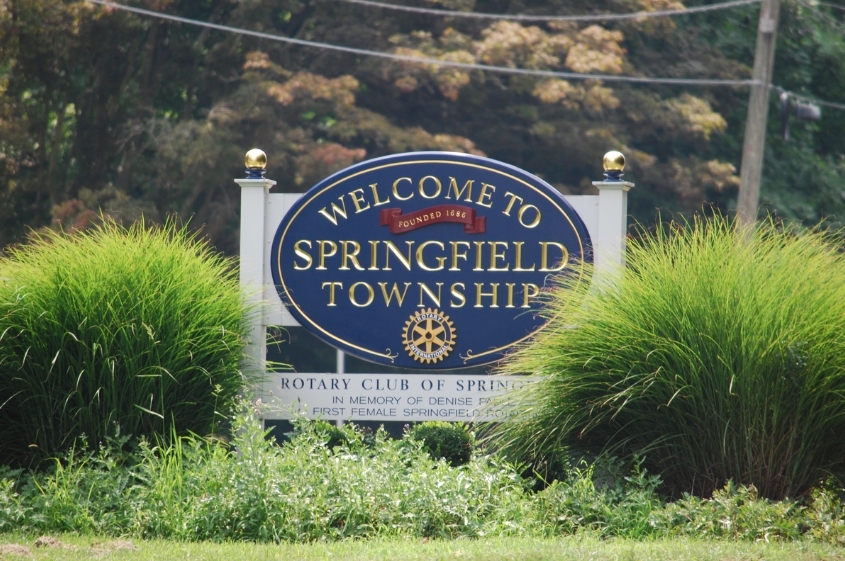
In a recent ruling, a federal court declared the ban on displaying the American flag with a thin blue line in Springfield Township, Pennsylvania, as unconstitutional. The ban, which was implemented by the township’s government, was aimed at showing disapproval of the flag’s association with law enforcement and its perceived racist undertones. However, the court firmly stated that the ban violated the First Amendment rights of public employees.
U.S. District Judge Karen Marston, who presided over the case, strongly criticized the township’s argument that the use of the flag was causing “discontent and distrust” toward the police. She stated that the township’s attempts to suppress the use of the flag went against the fundamental right to free expression enshrined in the First Amendment. The judge also reprimanded the township for labeling the flag as “offensive” and “racist,” saying that such language only showed their unprofessionalism.
The controversy surrounding the thin blue line flag started when the city’s police union decided to incorporate it into their logo in 2021. The move was met with opposition from several township commissioners, who believed that the flag had become associated with the Blue Lives Matter movement, often used as a counter to the Black Lives Matter movement. Despite offering to cover the cost of changing the logo, the union refused to comply with the commission’s request, sparking tensions between the two sides.
Court rejects Springfield Township Pennsylvania’s ban of ‘Thin Blue Line’ flag as unconstitutional. Woke Township leaders claimed the ‘Thin Blue Line’ American flag was creating ‘discontent and distrust’ in the community https://t.co/24WZYqsGB2
— Blue Lives Matter 💎 (@RetiredNYCPD) November 15, 2023
In response, the township’s attorney sent a cease-and-desist letter to the union, stating that the use of the flag in their logo would only exacerbate the ongoing conflict between police officers and communities. However, the union remained unfazed and refused to remove the flag from their logo or change their name, prompting the township to pass a policy prohibiting township employees from displaying the flag while on duty or representing the township in any way.
The court’s ruling was seen as a victory by the police officers, who had been fighting against the ban. Wally Zimolong, the attorney representing the officers, called it a “resounding win for the First Amendment and free speech.” He emphasized that the government cannot engage in viewpoint discrimination or suppress messages that it finds disagreeable or offensive.
The controversy surrounding the ban on the thin blue line flag has raised important questions about free speech and the protection of public employees’ constitutional rights. It serves as a reminder that no matter how unpopular, offensive, or controversial a message may be, the First Amendment protects the right to express it. The ruling also sends a strong message to other communities and governments attempting to suppress free speech in the name of political correctness.

